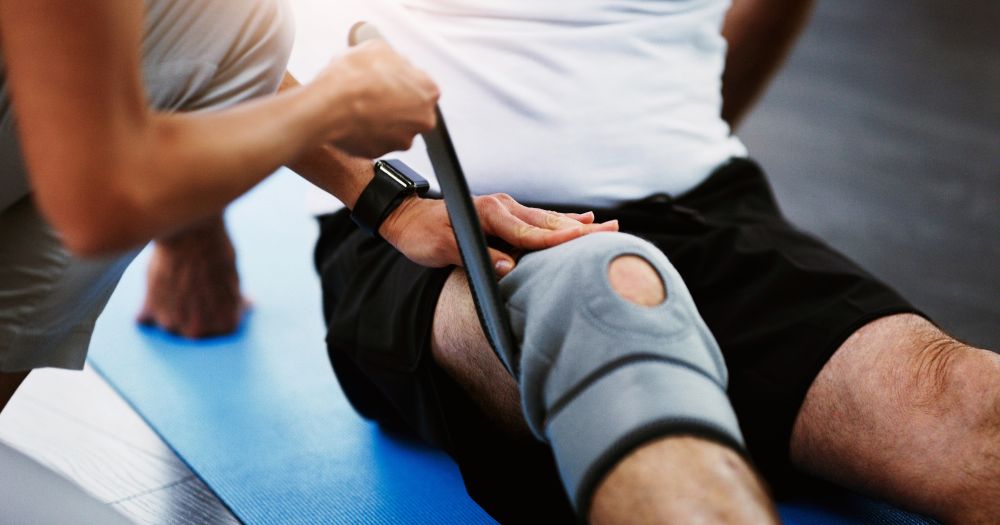
Recovering from sports injuries with soft tissue treatment is a practical, effective approach that helps athletes and active individuals return to their activities with less pain and better function. Sports injuries are common across all levels of participation, from weekend joggers to competitive athletes. Strains, sprains, tendon problems, and muscle tears account for a large portion of these injuries, and the soft tissues involved often need more than just rest to heal properly.
Why Soft Tissue Injuries Need Targeted Care
When a muscle, tendon, ligament, or fascia is injured, the body initiates an inflammatory response as part of the healing process. Over time, scar tissue forms to repair the damaged area. However, scar tissue is less elastic and less organised than healthy tissue, which can lead to restricted movement, ongoing stiffness, and a higher risk of re-injury if left untreated.
Simple rest may allow pain to subside, but it does not address the structural changes within the tissue. This is where targeted soft tissue treatment becomes relevant. By working directly on the affected structures, a trained practitioner can break down adhesions, restore tissue flexibility, and guide the healing process toward a more functional outcome.
Common Sports Injuries Treated with Soft Tissue Therapy
Chiropractic care for sports injuries frequently includes soft tissue techniques as a core component of the treatment plan. The following injuries respond particularly well:
- Hamstring strains and tears
- Calf muscle injuries
- Rotator cuff tendinopathy
- Groin pulls
- Ankle sprains with associated ligament damage
- Tennis elbow and repetitive strain conditions
- Runner’s knee and IT band tightness
Each of these conditions involves some degree of soft tissue dysfunction, whether from acute trauma or cumulative overuse. Treatment protocols vary based on the specific injury, its severity, and the stage of healing.
Treatment Methods Used
Soft tissue treatment for sports injuries encompasses several manual and instrument-based techniques. A practitioner may use one or a combination of the following:
- Myofascial release to stretch and loosen tight fascia
- Trigger point therapy to deactivate painful knots in muscles
- Instrument assisted soft tissue mobilisation to address scar tissue and adhesions
- Active release techniques that combine movement with targeted pressure
- Deep tissue massage to improve blood flow and reduce muscle tension
The choice of technique depends on the nature of the injury and the patient’s response to treatment. Many practitioners adjust their approach session by session based on how the tissue is responding.
The Role of Rehabilitation Exercises
Soft tissue treatment alone is rarely sufficient for full recovery. Rehabilitation exercises are an important part of the process, helping to restore strength, coordination, and proprioception in the injured area. A well-designed exercise programme works alongside manual therapy to produce results that last.
For example, a runner recovering from a hamstring strain will benefit from soft tissue work to address scar tissue formation combined with a progressive loading programme to rebuild muscle strength. Skipping either component increases the likelihood of setback.
As Goh Chok Tong once stated, “Good health is the foundation on which we build our lives.” For athletes, this foundation includes proper rehabilitation that addresses both the injury and the biomechanical factors that contributed to it.

How Long Recovery Takes
Recovery timelines depend on several variables, including the type and severity of the injury, the patient’s overall fitness level, and how quickly treatment begins. Mild to moderate soft tissue injuries typically show meaningful improvement within two to six weeks of consistent treatment. More severe injuries, such as significant muscle tears or chronic tendinopathies, may require three months or longer.
Early intervention makes a notable difference. Patients who begin recovering from sports injuries with soft tissue treatment soon after the initial injury tend to recover faster and with fewer complications than those who delay care.
Preventing Re-Injury
One of the most overlooked aspects of sports injury recovery is prevention of recurrence. Scar tissue, muscle imbalances, and poor movement patterns all increase the risk of re-injury. A thorough treatment plan addresses these factors through a combination of manual therapy, strengthening exercises, and movement correction.
Practical steps athletes can take to reduce re-injury risk include:
- Completing the full course of rehabilitation, not stopping when pain resolves
- Incorporating regular soft tissue maintenance sessions
- Addressing biomechanical issues such as overpronation or hip weakness
- Following a gradual return-to-sport protocol rather than rushing back
These measures require discipline, but they significantly reduce the chance of facing the same injury again.
Choosing the Right Provider
When selecting a practitioner for sports injury treatment, look for someone with experience in musculoskeletal care and an understanding of sport-specific demands. Chiropractors, physiotherapists, and sports therapists who offer soft tissue rehabilitation for athletes can provide the targeted care needed for effective recovery.
Ask about the practitioner’s approach to treatment planning, their experience with your specific injury type, and whether they incorporate exercise-based rehabilitation into their programmes. A provider who takes a comprehensive view of recovery will deliver better long-term outcomes.
Getting Back to What You Enjoy
Sports injuries are frustrating, but they do not have to sideline anyone permanently. With the right combination of hands-on treatment and structured rehabilitation, most soft tissue injuries heal well and allow a safe return to activity. For anyone facing this situation, recovering from sports injuries with soft tissue treatment offers a clear and proven path forward.